Gamification LMS is your ticket to your learners’ minds. In the last few years, we have seen the same tendency again and again. Course completion time declines by 50% once the learning and development team adds game mechanics. The number of daily users returning to the course also improves because learners see points and levels and stay engaged enough to complete them.
On platforms like Open edX and Moodle, which Raccoon Gang uses to develop custom LMS solutions, gamified features already sit in the core stack. Badges, leaderboards, progress bars, and even scenario-based quests could plug straight into your course flow. What does this give me, you may ask? So, let us take several minutes of your time, and we will clearly answer how to make learning more engaging in 2026 and why LMS is key here.
Here’s what you’ll take away from reading this article:
- What LMS gamification is.
- Benefits and examples of top gamified LMS platforms.
- Practical strategies to integrate gamification mechanics.
- How to add Gamification to your corporate training, K–12 classrooms, higher education, and other e-learning initiatives.
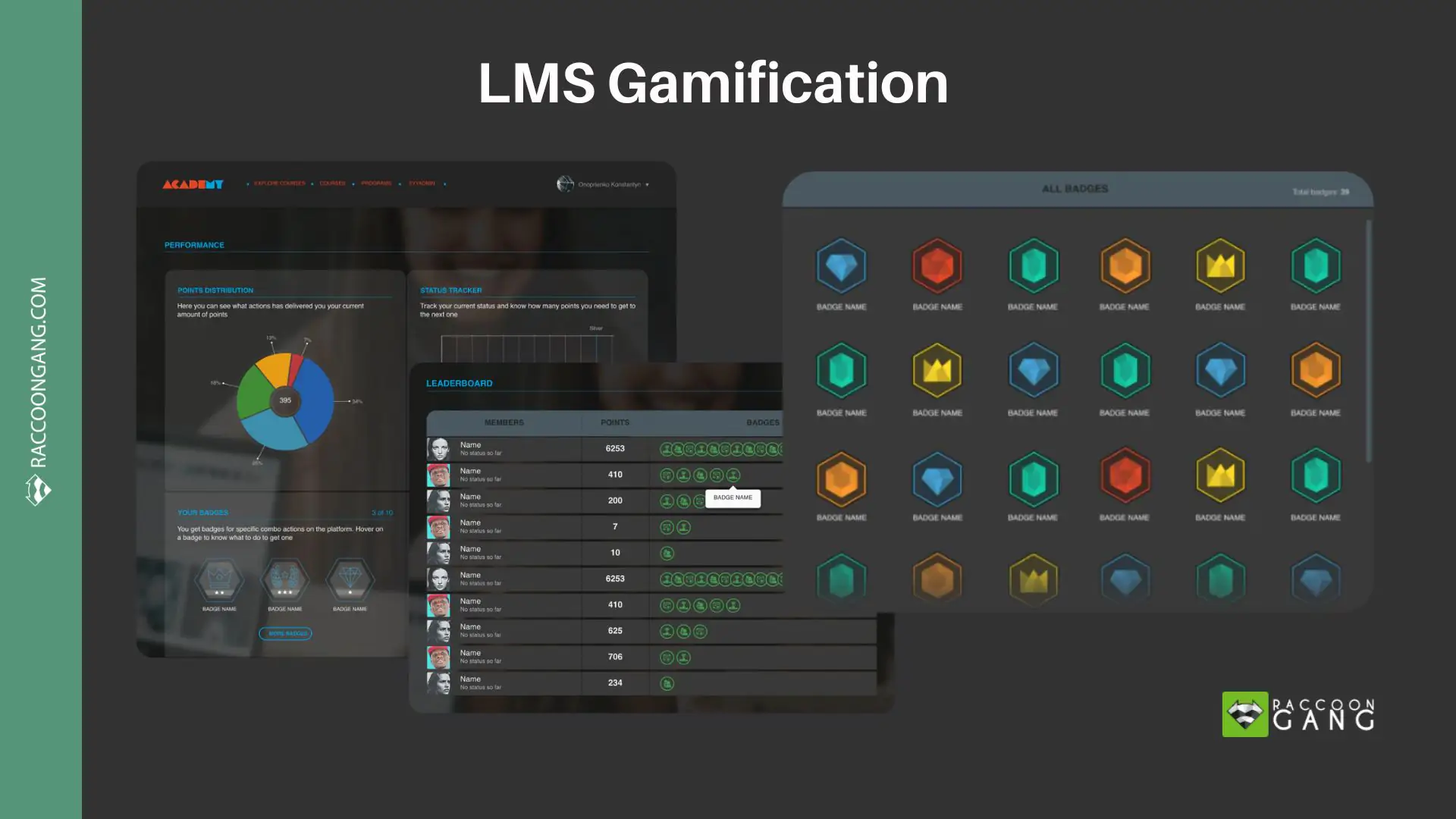
Example of an LMS gamification dashboard: performance chart, leaderboards, and badge system designed by Raccoon Gang.
What Is LMS Gamification?
From a learning and development perspective, gamification in LMS means adding game mechanics to real training goals. For K-12 teams, the same idea applies to homework, practice, and formative checks. All your goals are still the same — to teach and train, but you wrap them in a gamified atmosphere. Game elements such as points, badges, quizzes, and leaderboards can raise course completion by 30–40% and make people more willing to come back for the next module.
Any gamification system works on two levels at once:
- Level 1: Psychological. Because game mechanics hook into how our brains work, learners prefer small wins and visible progress. Everyone wants to know where the finish line of the learning initiative is and what happens when they finish it.
- Level 2: Behavioral. Because dopamine-driven feelings build habits. Rewards like streaks push people to “do one more step.” Visible progress makes it easier to come back tomorrow. Social elements, like team challenges, help people keep up with their peers.
All these components tap into learners’ natural desires for achievement, competition, and recognition. The result is an interactive learning journey where education feels more like a game — complete with goals, instant feedback, and rewards — rather than a tedious task.
Here is an illustrative example of gamification in action
- You set up onboarding in an Open edX-based LMS.
- New hires see short missions: “Meet the product,” “Shadow a call,” “Pass the policy quiz.”
- Each mission gives points and a badge, for example “Product Scout” at 300 points.
- A leaderboard shows the top ten newcomers this month.
- HR watches the same KPIs, but now learners race to finish missions, collect badges, and appear on that list.
🏆 Take a look at how we use gamification and other design techniques to keep children and adults engaged.
Benefits of Gamifying Your LMS
Gamifying LMS changes how your people learn and practice. It turns a static LMS solution into a place where learners stop mindlessly clicking slides and guessing answers and really dive into understanding the topic.
Want another why-didn’t-I-think-of-that moment about gamified LMS platforms? Here are a few exciting benefits for you.
1. Higher engagement and completion rates
Do you want to increase engagement to improve completion rates? A Lebanese bank, with its gamified e-learning, proved the importance of gamification in influencing employees‘ behaviour. After the implementation, almost 65% of employees expressed higher levels of work engagement.
2. Stronger motivation and learning habits
If we ask behavioral science for help, we get into the concept of a habit loop. When you want to develop any habit, you need to focus on four steps: cue, action, reward, repeat. It may sound like a Pavlovian experiment, but the formation of habits, including learning habits, is a purely biological mechanism.
Gamification elements provide students with quick rewards inside training modules or educational courses. Over time, logging in can feel as automatic as checking a social app.
3. Better onboarding and lower early churn
Gamified onboarding helps new hires learn faster. And there is another pleasant bonus, which is actually someone’s KPI: employees stay longer in the company. In other words, SAP built game elements into the onboarding process. Their gamified path helped cut new-hire turnover by 25%. For an HR or L&D team, this means fewer rehires, less lost knowledge, and lower onboarding spend.
4. A more “LMS engaging” experience without rewriting all content
As the best practices of efficient e-learning gamification show, you only need to upgrade your existing content with quests, score thresholds, and leaderboards. The key here is not to throw everything you have away, but to improve it. The LMS then surfaces who is stuck and who runs ahead.
“Don’t hand out badges for every click or login. If everything earns a reward, your badges mean nothing and your data stops telling the truth.”
— E-Learning Course Developer at Raccoon Gang.
5. Clearer data for L&D decisions
Don’t be fooled by the notion of a game, because modern LMSs offer a mountain of insights for your L&D teams, not just entertainment for learners. Here are just a few trends you can definitely spot in your platform.
- Which mission do people skip?
- Which badge almost no one reaches?
- Where do most teams get stuck?
Gamified LMS Platforms and Examples (2026)
Do many gamified LMS platforms offer game mechanics out of the box? Our answer would be yes. It is worth adding a small correction here — the level of gamification and the set of elements will differ.
Therefore, let’s examine together 7 gamified learning management systems and LMS examples that illustrate gamification in practice. Here is our list of gamification LMS software for 2026.
Open edX (with XBlocks and Custom Gamification by Raccoon Gang)
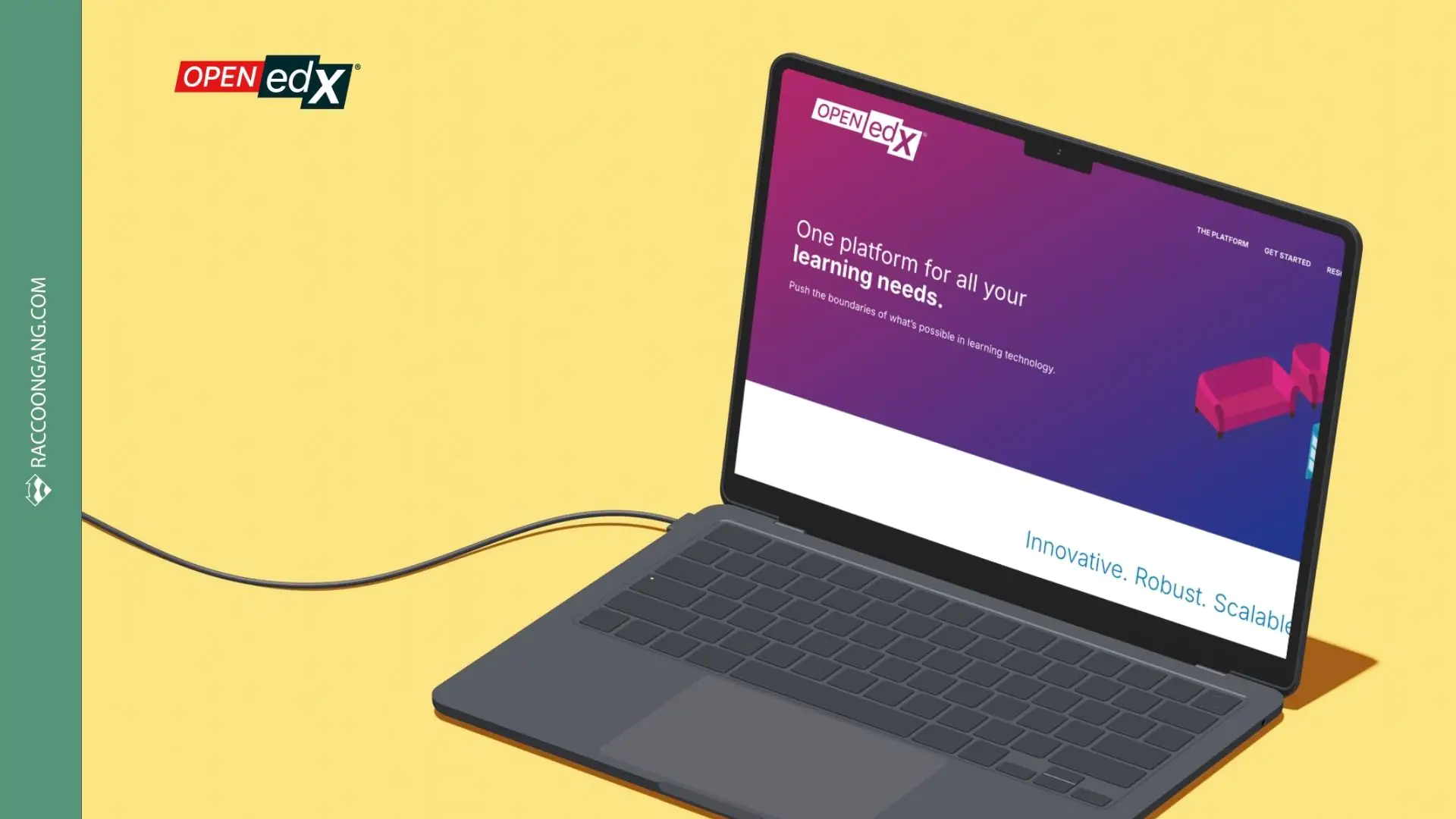
Open edX is an open-source platform. You can run it as a custom gamified LMS solution. With customization through xBlocks and additional tools like RG Gamification, especially developed for the platform, you obviously can apply any gamification elements:
- Flexible rules
- Leaderboards
- Customize badges
- Point-based rewards
- Dashboards
- Statuses
- Avatars
- Events
| Integrations | Pricing fit | Best use cases |
| Highly extensible; works with SSO, analytics, ecommerce, and custom systems | No license fee; budget goes to development, hosting, and long-term support | Large educators and companies seeking custom Gamification Software and UX |
TalentLMS
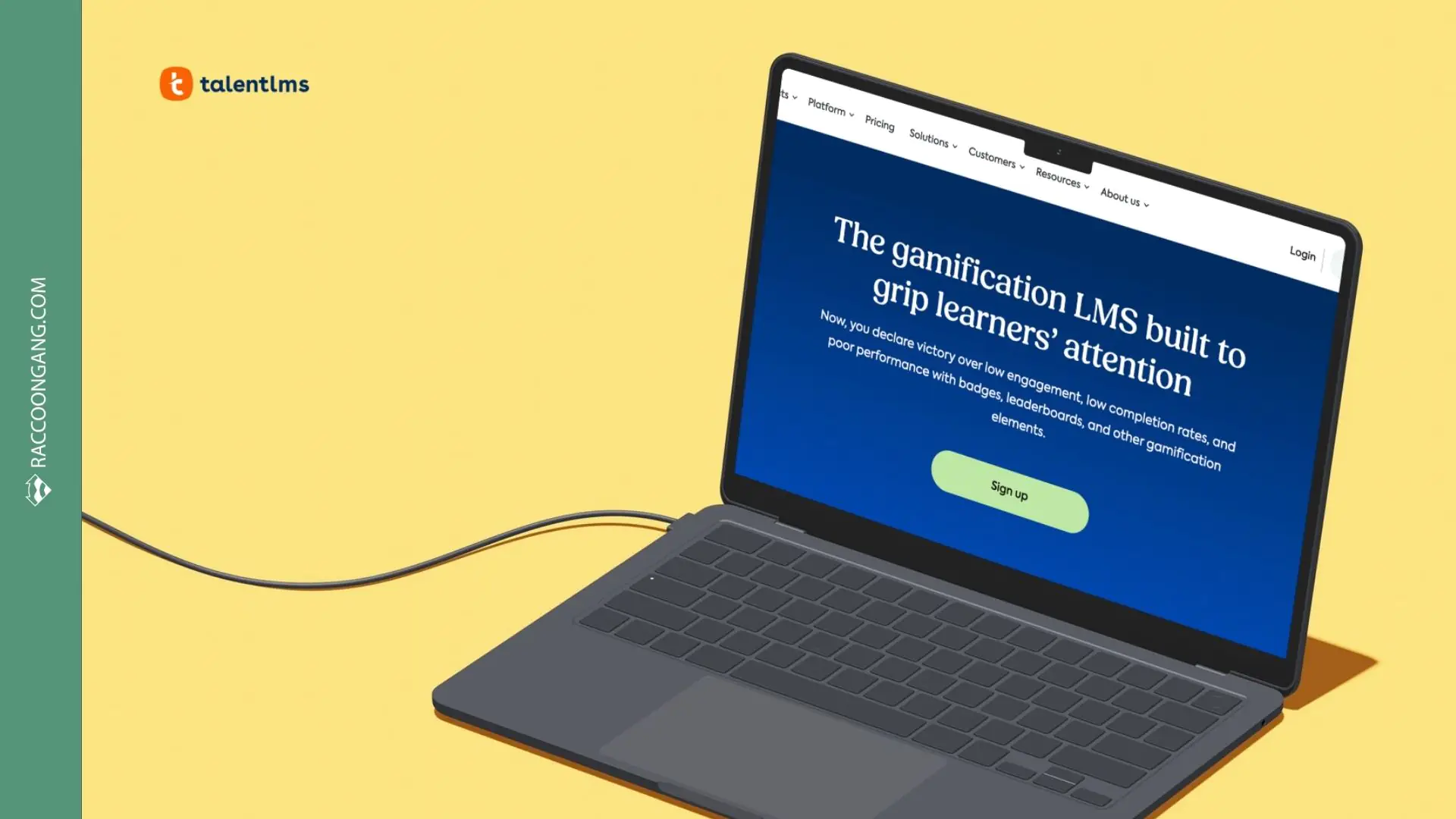
TalentLMS is a cloud LMS with gamification built into the core. Their motto invites us to turn training into a captivating, habit-building game. Among the gamification features, the platform offers elements from points, levels, and badges to leaderboards, rewards, and gamification reports.
| Integrations | Pricing fit | Best use cases |
| SSO, HR systems, videoconferencing, and content libraries | Tiered SaaS plans, friendly for small and mid-sized teams | Fast rollout for onboarding, compliance, and soft skills programs |
Moodle with Gamification Plugins
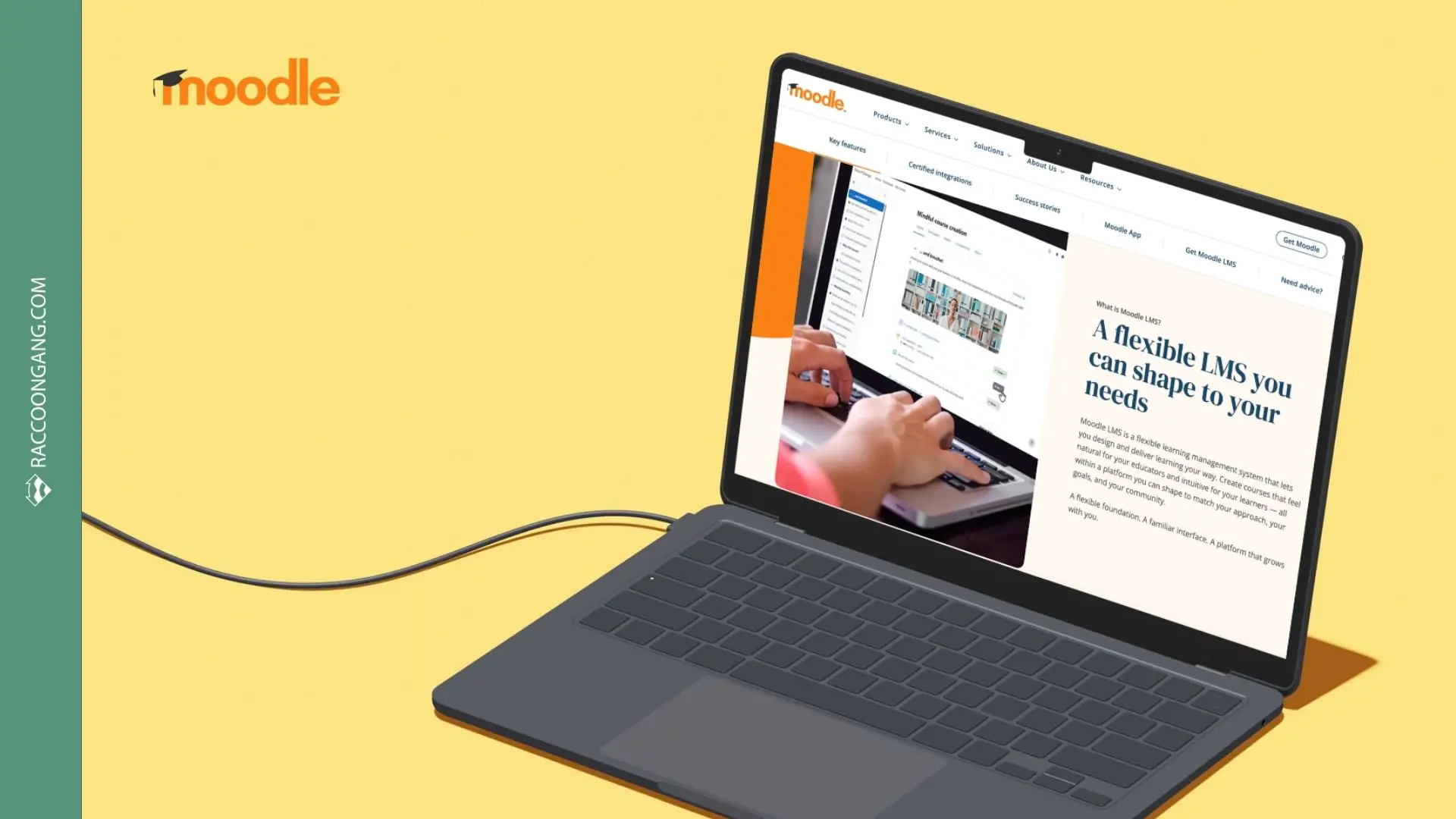
Moodle is another open source platform. Out of the box, as an administrator, you can add Open Badges and activity completion tracking.
If your goal is a full-fledged Gamified Learning Management System, your team, or the Moodle platform vendor’s customization team, should add plugins like Level Up XP, Game, Quizventure, Stash, Motrain and Mootivated and Block Game.
Gamification elements that can be applied to your Moodle course include points, levels and progress, leaderboards, reporting functions, and even virtual coins.
| Integrations | Pricing fit | Best use cases |
| SIS, HRIS, and custom systems through plugins and open-source extensions | Core software is free; costs come from hosting, support, and plugins | Universities, schools, and orgs that want flexible, deeply tailored gamification |
Adobe Learning Manager
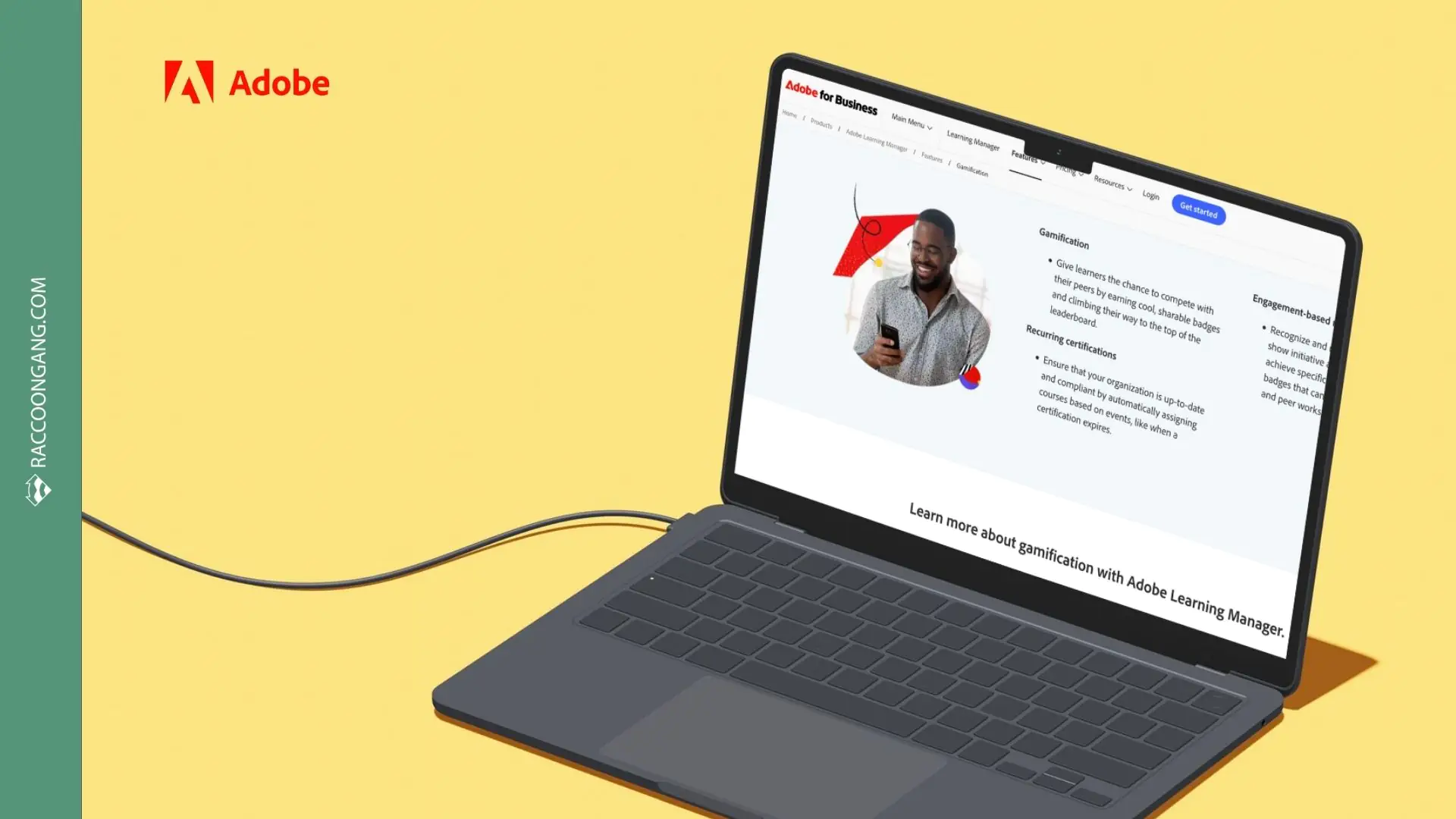
Adobe Learning Manager (the LMS, formerly known as Captivate Prime, but now under a cleaner name) targets large enterprises. Gamification can be toggled per learning program. Learners earn points for activities and see their rank on leaderboards.
| Integrations | Pricing fit | Best use cases |
| Adobe ecosystem, SSO, content tools, and external systems via connectors | Quote-based, aimed at large enterprises and global programs | Corporate academies, partner training, and high-governance environments |
Docebo
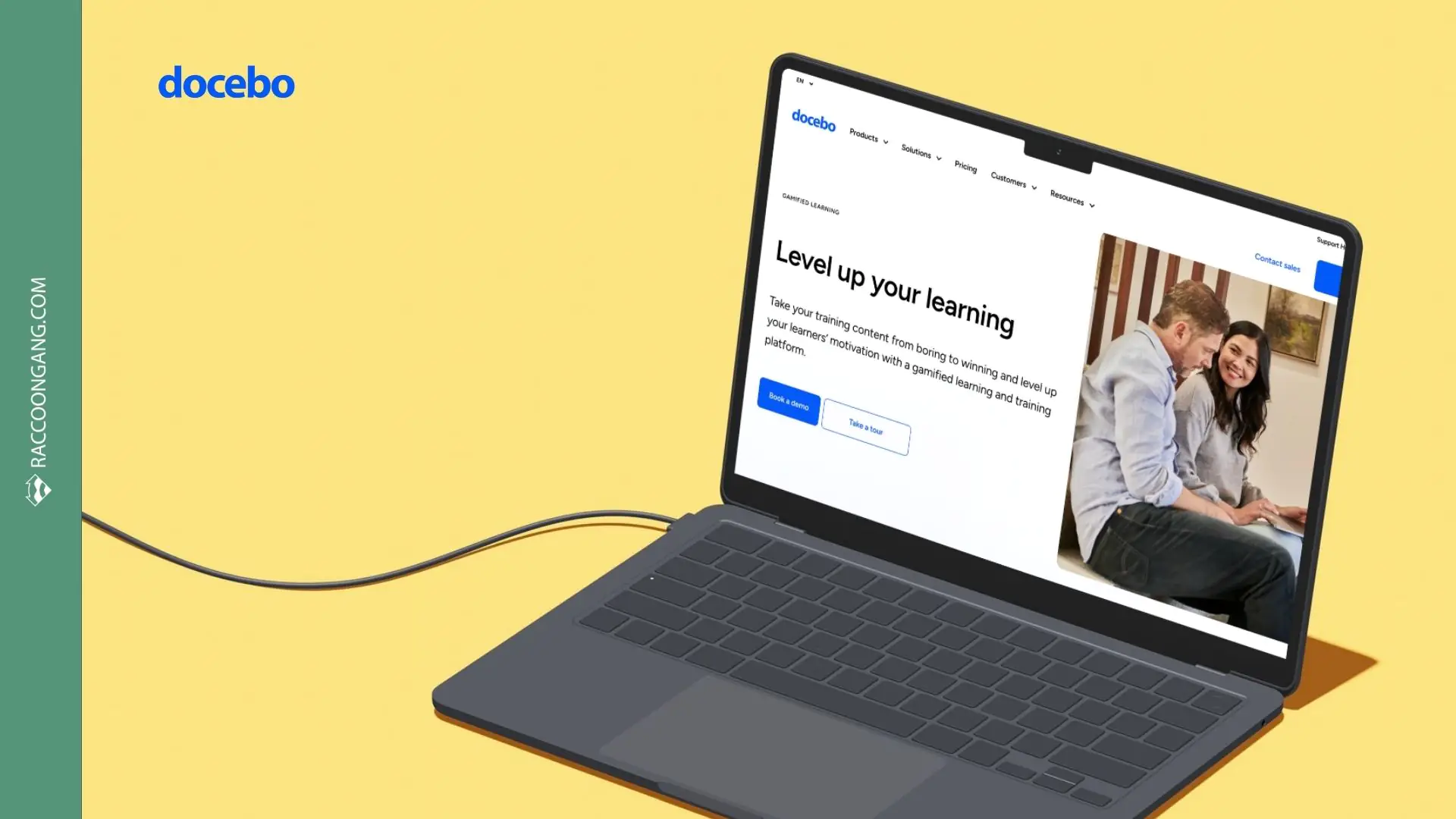
Docebo is a heavyweight Gamification LMS Software for global companies. Its gamification app covers badges, points, coins, leaderboards, and even a rewards shop. Learners earn points for actions like completing a course, hitting a path, or joining social learning.
| Integrations | Pricing fit | Best use cases |
| Broad HR, CRM, webinar, and content integrations | Enterprise pricing, best for larger organizations with complex requirements | Sales enablement, global compliance, partner training with contests and rewards |
iSpring Learn
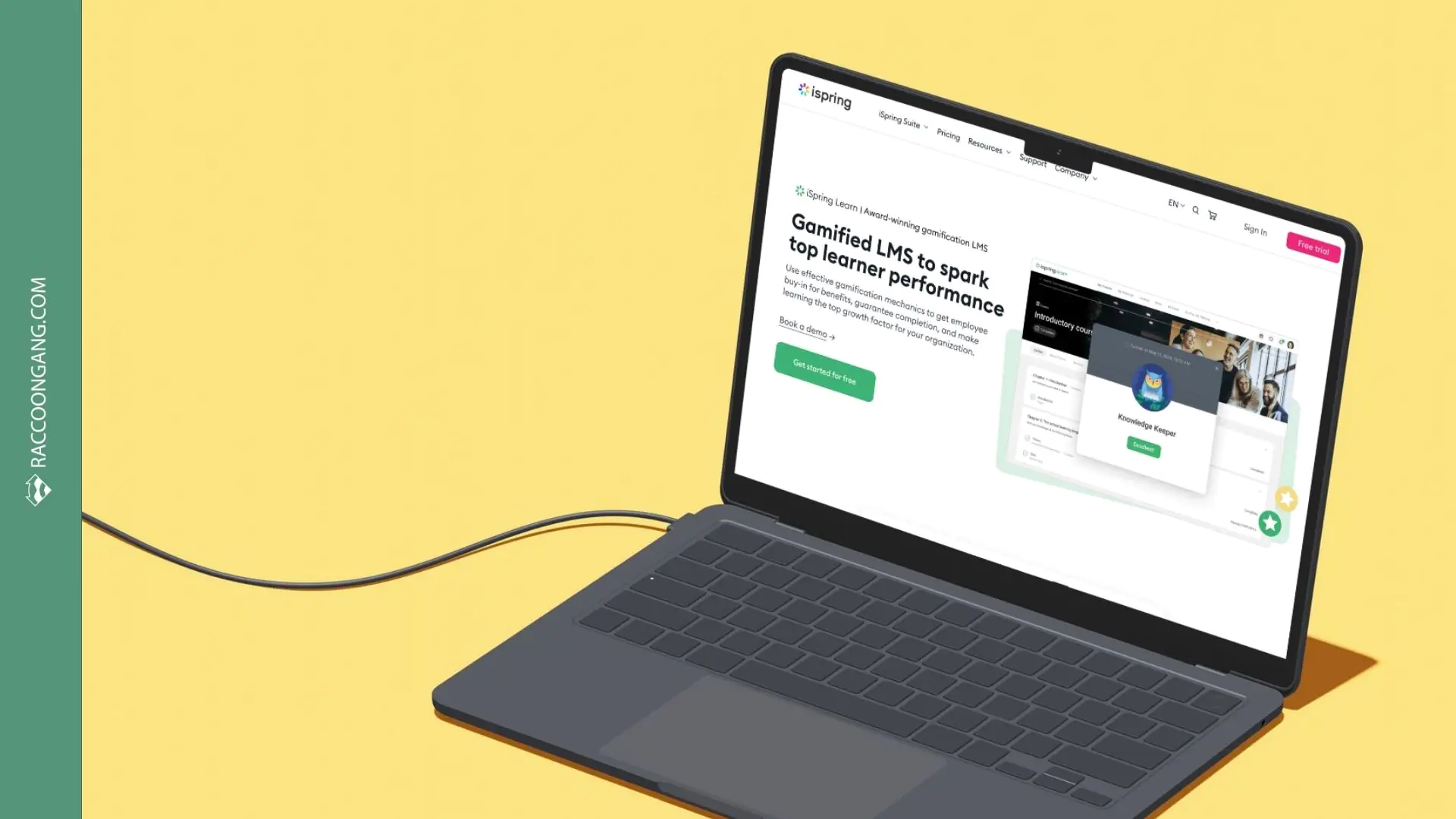
iSpring Learn positions itself as a straightforward gamified LMS platform for corporate training. Learners earn points for courses and assessments, collect badges at milestones, and see their position on leaderboards.
| Integrations | Pricing fit | Best use cases |
| Ties tightly to iSpring authoring tools, plus SSO and HR data sync | Per-user plans that mid-sized organizations can budget easily | Corporate training, role-based academies, and simple gamified rollouts |
D2L Brightspace
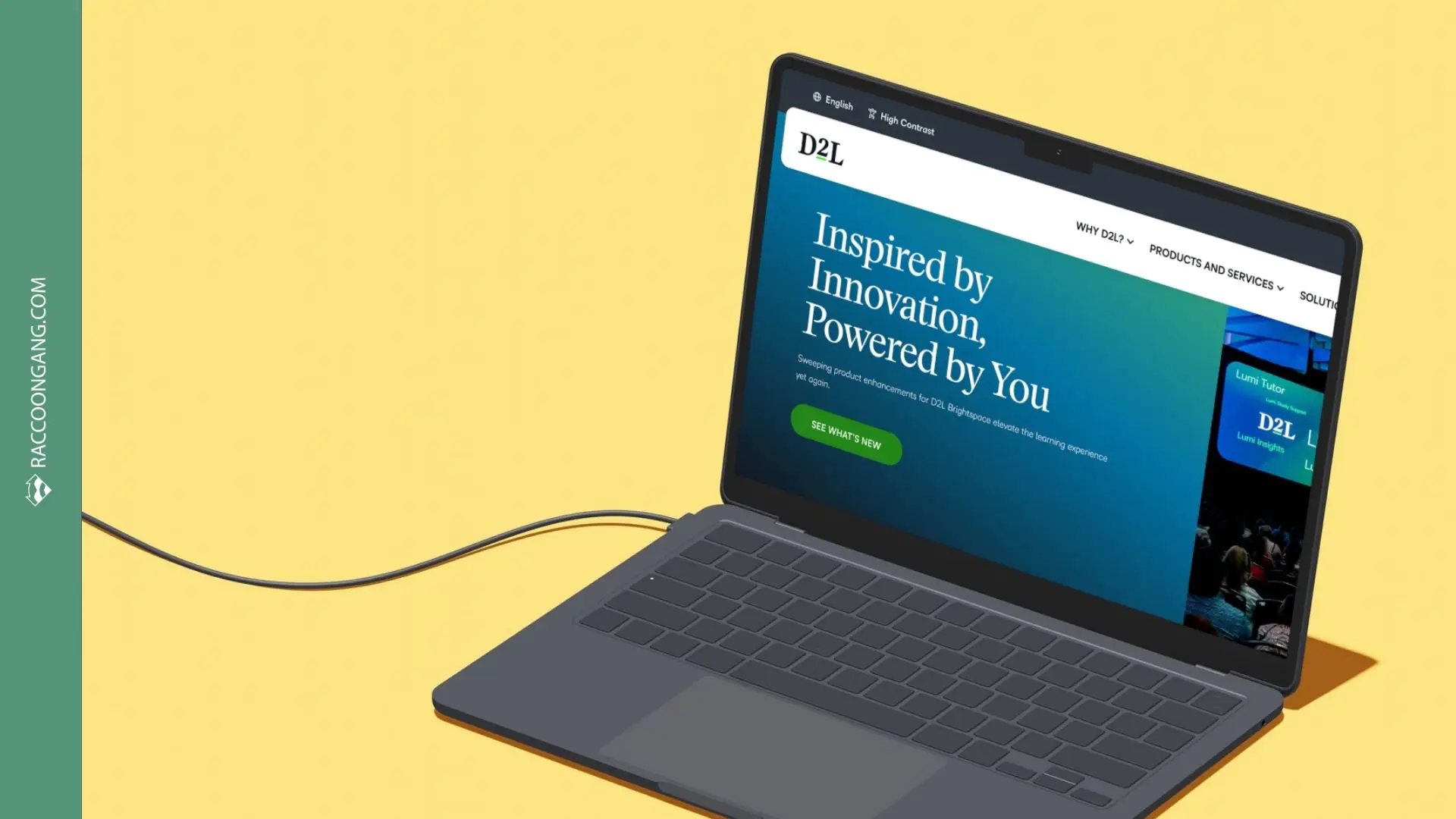
D2L Brightspace serves both universities and corporate teams. It includes awards, badges, and a leaderboard widget that can be added to course homepages.
| Integrations | Pricing fit | Best use cases |
| Strong SIS links, HR and content integrations, and video tools | Enterprise and education licensing, negotiated per institution | Universities and enterprises standardizing on Brightspace with awards and competition |
How to Choose a Gamified LMS Without Losing Your Mind
- We recommend you start from 3 real scenarios. What type of learning is your goal: “onboarding,” “annual compliance,” “K-12 homework?” It’s simple, discard those LMS options that can’t support your flow.
- Next, decide which you would prefer: custom or default.
- Test 1–2 platforms on a small group. Track one main number (for example, completion rate or time to finish onboarding).
- Don’t forget about long-term ownership costs like admin time, content work, support, etc.
How to Add Gamification to Your LMS
At this point, we have two pieces of news for you. The good news is that you don’t need to rebuild your existing LMS solution. The next piece of news is not as good, but it’s still not critical. You just need to update your platform. Small, clear steps will help you get to your goal with your gamified learning platform.
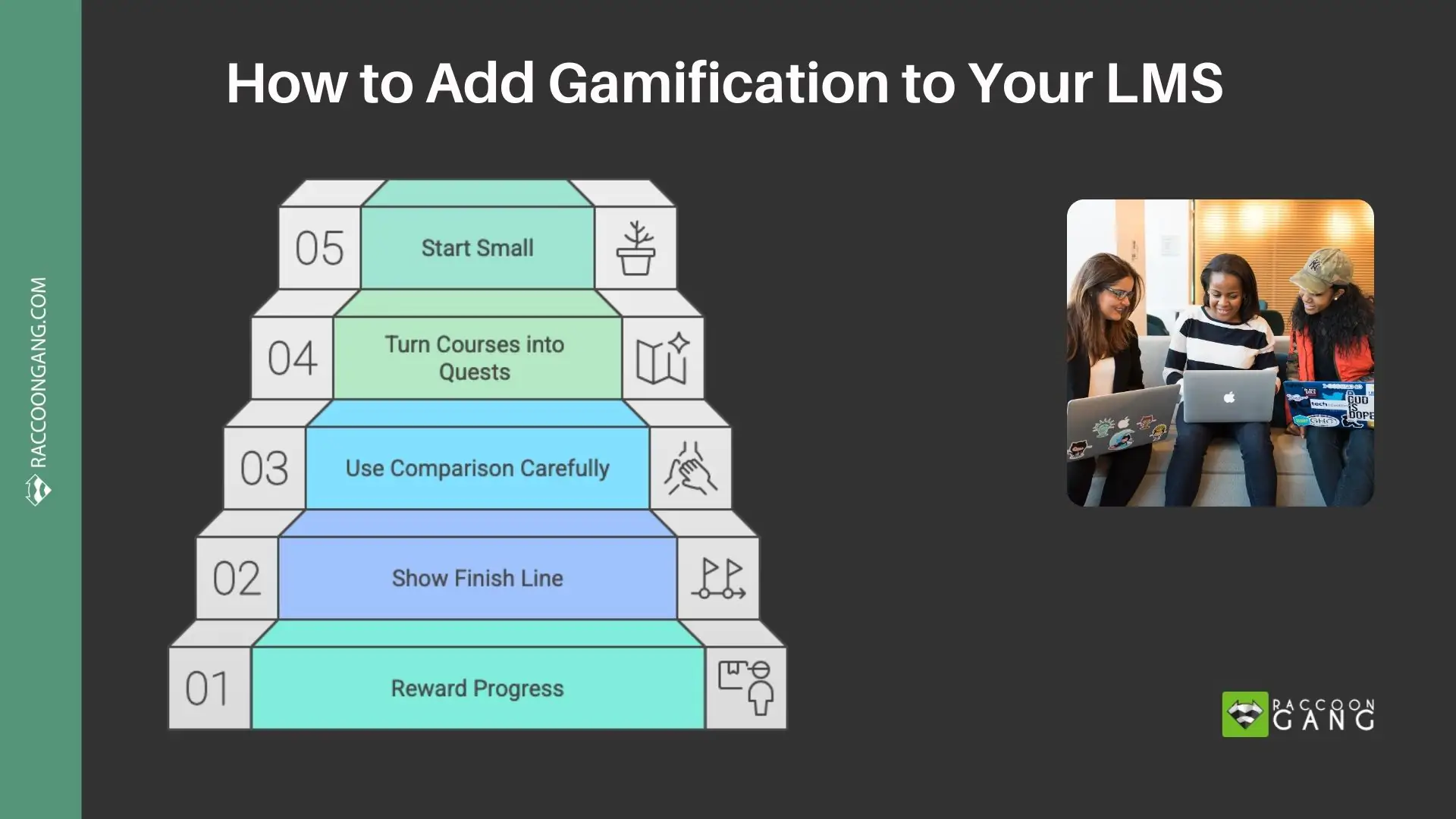
How to add gamification to your LMS: reward progress, show the finish line, use comparison carefully, turn courses into quests.
Step 1. Reward real progress, not noise
- 3–5 meaningful achievements are much better than a whole pocket of non-unique ones.
- Each badge should be justified: course completion, score, or practice streak.
- Set minimum thresholds, for example: 90%+ on final quiz or three weeks of activity.
Based on our experience, it’s better to enable email notifications or in-app alerts in the gamification LMS software.
Step 2. Show the finish line early
- A visible bar for every key path will present to your course or module many more chances.
- Decide what counts: modules, points, or skills completed.
- Show progress on the dashboard, not only inside lessons.
Each milestone with a short message or micro-reward (25%, 50%, 75%, 100%) would be perfect.
Step 3. Use comparison carefully
Psychology research shows that leaderboards can help or hurt. It depends on how you design them.
- Start with a small team, cohort, or class.
- Pick one metric, for example “missions completed this month,” not ten 🙂
- Set up automatic updates, so newcomers can appear on the board.
“In the process of creating a leaderboard for our partners, I often ask myself: ‘Would I feel motivated or crushed by this board?” Only if the answer is positive will I add it to the course.’”
— Instructional Designer at Raccoon Gang.
Step 4. Turn courses into quests
Well-thought-out challenges will create a “mission is possible” feeling in learners rather than plain content to be learned.
- Break a long course into missions: “Know the basics,” “Practice with a client,” “Pass the quiz.”
- Give each mission a start and end, with a badge or points attached.
- Use time-bound challenges.
- Show how many peers completed the same path.
In top gamified learning platforms, you can bundle missions, rewards, and leaderboards into one campaign.
The main step
Start small: one path, one set of badges, one simple leaderboard. Let the data from your LMS Software tell you what to tweak next.
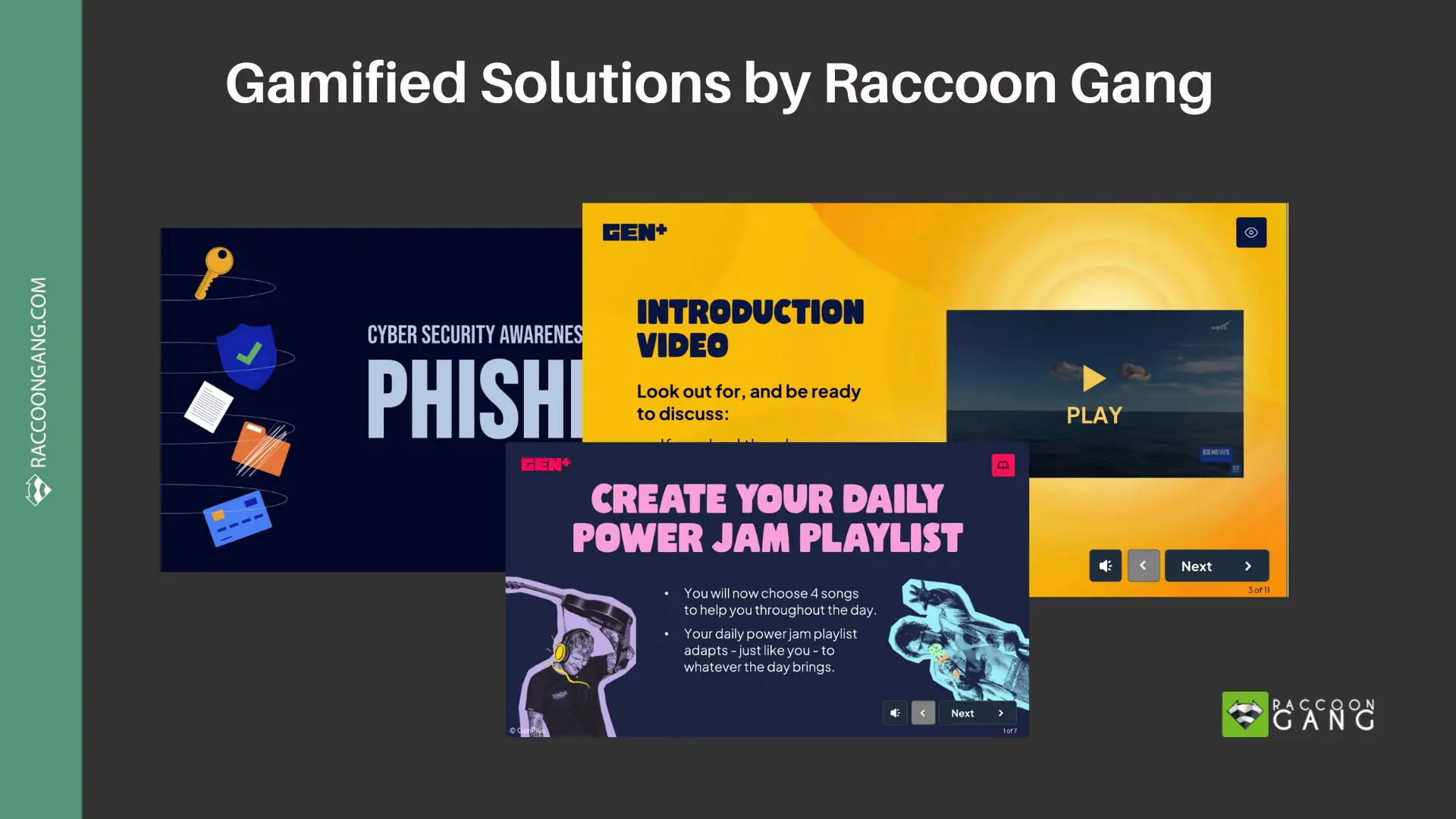
Gamified solutions by Raccoon Gang: interactive cybersecurity awareness and wellbeing modules that use game-like activities to keep learners involved.
How Raccoon Gang Builds Engaging, Gamified LMS Solutions
In the last few years, our instructional designers have kept hearing the same ask: “Can we make this course gamified, but still serious?” And yes, we can.
For kids, we’ve worked on a program built around nine key meta-skills. We use missions, stories, and badges to help kids practice skills, while teachers see simple progress views instead of raw logs.
For adults, we helped a nonprofit build a SEAM-based course for real estate consultants and advisors. The aim is very practical: prepare for the SEAM Certification Exam and support candidates in earning their SEAM Credential through cases, challenges, and step-by-step practice.
Our portfolio also includes work with NASA 👩🚀 and EBRD. When you have a moment, you can skim those cases to see how gamification behaves in real projects, not slides.
Conclusion
Thank you for reading this far. We’ve covered the basics. That’s nice. What would we like to add? In our projects, the strongest results come from one simple mindset:
“Every game mechanic must earn its place by moving a real metric.”
A quick 3-step “gamification health check” for your current LMS will look like:
- List your current “game stuff”
- Match each mechanic to one metric
- Decide what to keep, fix, or remove
Do this once, and you already treat gamification more seriously than most teams.
If you want a second pair of eyes, we can help. Book a call with Raccoon Gang’s experts and sketch your next gamified LMS step-by-step.